
Immunotherapy Treatment
A modern treatment that helps your immune system recognize and fight cancer more effectively.
What is Immunotherapy?
Immunotherapy is a type of cancer treatment that works by strengthening the body’s own immune system to identify and attack cancer cells.
Unlike chemotherapy, which directly targets cancer cells, immunotherapy helps the immune system recognize cancer as a threat and respond to it more effectively.
How Does Immunotherapy Work?
Cancer cells can sometimes avoid detection by the immune system. Immunotherapy works by removing these “blocks” and enabling immune cells to recognize and attack cancer.
Certain drugs, such as immune checkpoint inhibitors, help activate the immune response, allowing the body to fight cancer more efficiently.
This approach is especially useful in cancers where the immune system can play a strong role in controlling the disease.
What to Expect During Treatment
Immunotherapy is generally well tolerated, but it may cause side effects related to an overactive immune response. Common side effects may include:
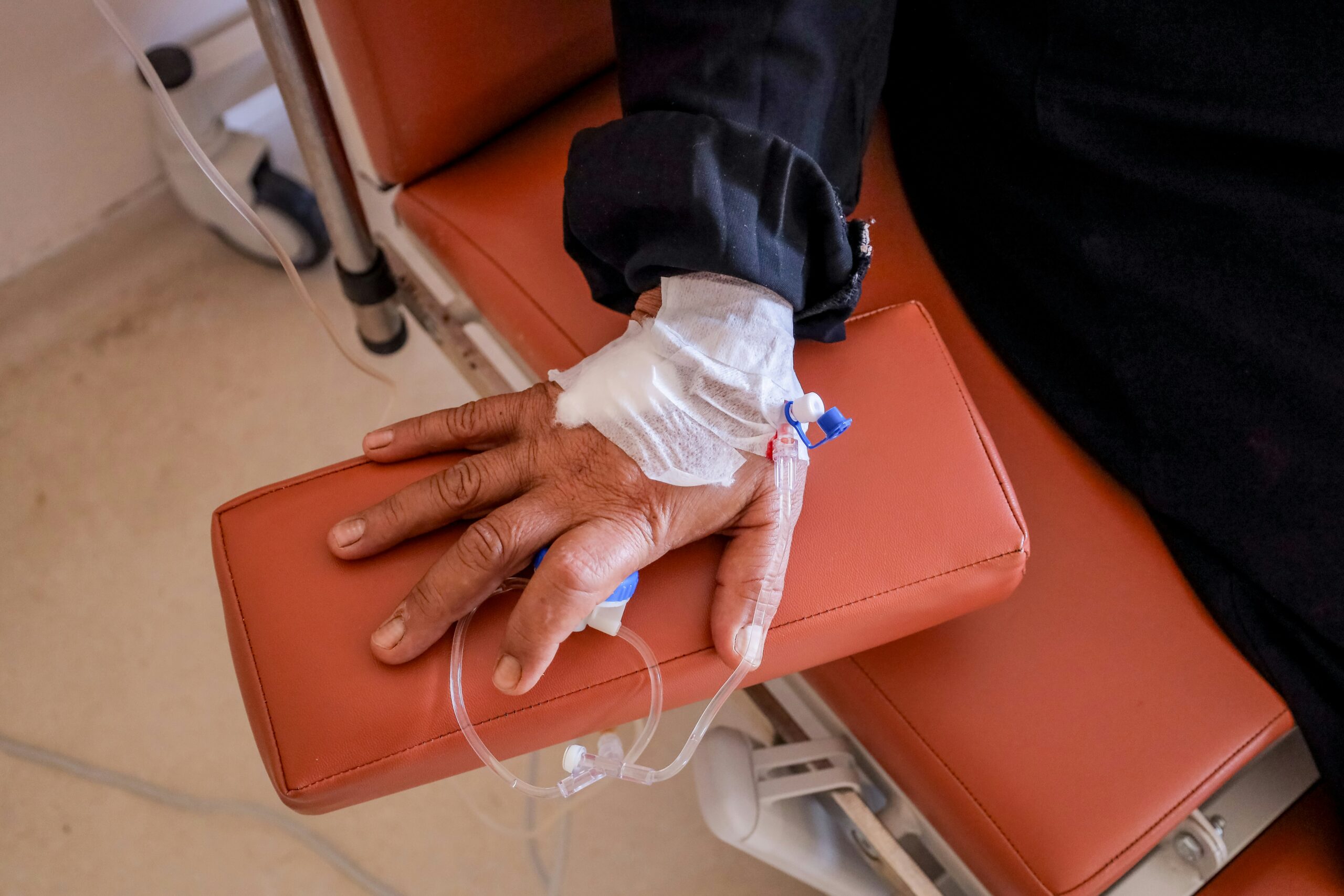
- Treatment is usually given through IV infusion in a day-care setting
- Sessions are typically scheduled every few weeks depending on the treatment plan
- Patients are monitored during and after each session
- Regular tests are done to assess response and safety
Most patients are able to continue daily activities with minimal disruption.
Side Effects & Their Management
Immunotherapy is generally well tolerated, but it may cause side effects related to an overactive immune response. Common side effects may include:
- Fatigue
- Skin rash or itching
- Diarrhea
- Mild fever or flu-like symptoms
In some cases, the immune system may affect normal organs, which requires prompt medical attention. These effects are manageable when identified early.

When is Immunotherapy Recommended?
Immunotherapy is used in selected types and stages of cancer where it has shown proven benefit.
It may be recommended:
- In advanced or metastatic cancers
- In combination with chemotherapy in certain cases
- When specific tumor markers suggest benefit
- As a first-line or subsequent treatment depending on the condition
The decision is based on cancer type, stage, and individual patient factors.
How is Immunotherapy Given?
Immunotherapy is usually administered through an intravenous (IV) infusion under medical supervision.
- Given in a day-care setting
- Treatment is scheduled at regular intervals (every 2–4 weeks, depending on the drug)
- Patients are monitored closely during and after treatment
Treatment duration varies depending on response and clinical condition.