
Brain Cancer Treatment
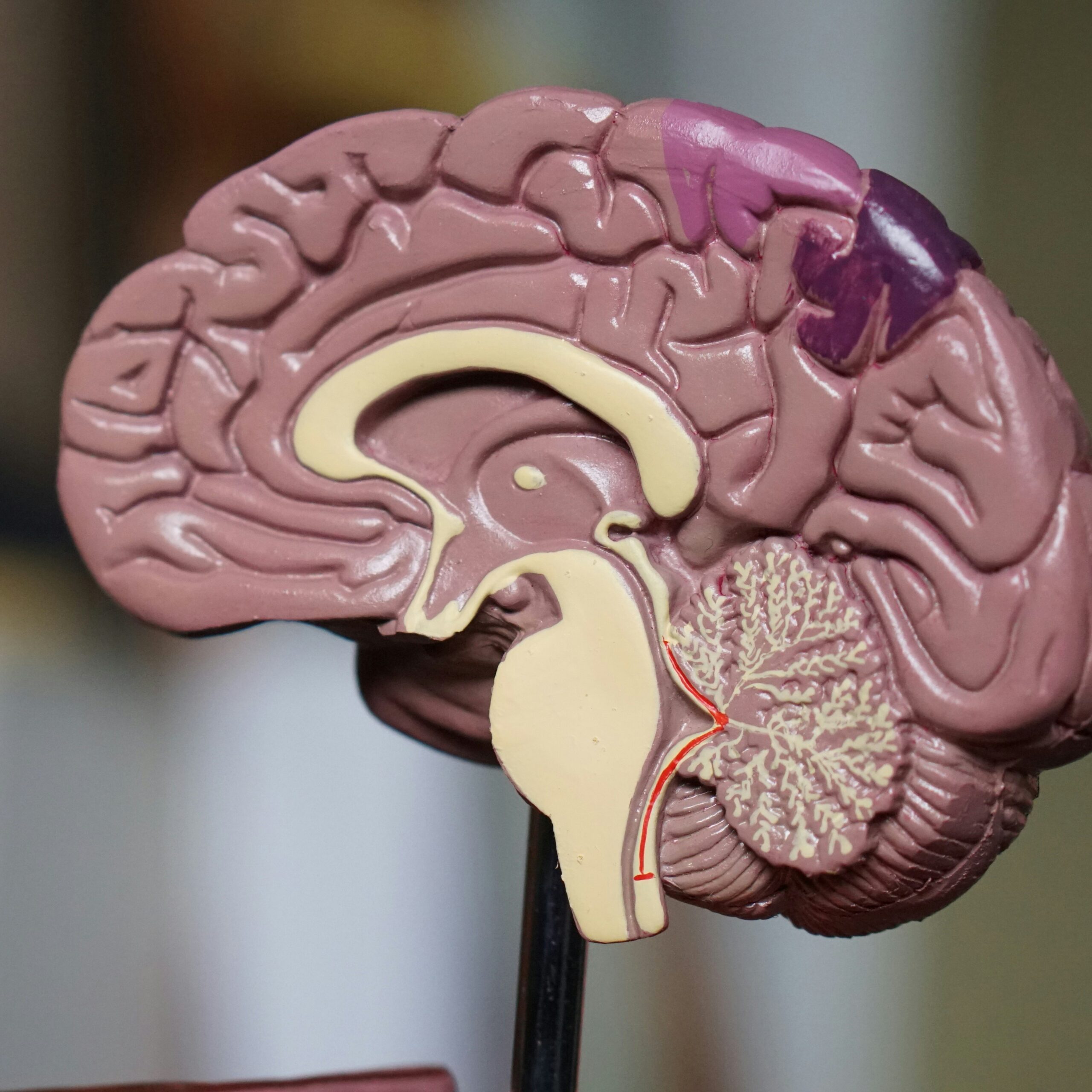
Brain tumors can be primary (originating in the brain) or secondary (spread from other cancers). Treatment depends on the type of tumor, its location, and overall condition of the patient.
Management requires careful planning and coordination between different specialties to ensure the best outcomes.
Common Signs & Symptoms
- Persistent headaches
- Seizures
- Changes in vision or speech
- Weakness or numbness
- Difficulty with balance or coordination
How Ovarian Cancer is Diagnosed
Diagnosis involves imaging and evaluation:
- MRI or CT scan of the brain
- Neurological assessment
- Biopsy or surgical evaluation (in selected cases)
Treatment Approach
Treatment of brain tumors requires a multidisciplinary approach. The plan depends on tumor type, location, and overall patient condition. Treatment is closely coordinated with neurosurgeons and radiation specialists to ensure comprehensive care.
Chemotherapy
Chemotherapy may be used in selected types of brain tumors or when tumors have spread from other cancers.
Targeted Therapy
Targeted therapy may be considered in certain tumors based on specific molecular features.
Understanding Cancer Stages
Unlike many other cancers, brain tumors are often classified based on their grade (how aggressive they are) rather than traditional staging. However, the extent of spread and tumor behavior still play an important role in treatment planning.
- Low-grade tumors: These grow slowly and may remain localized for long periods. Treatment may involve surgery and careful monitoring.
- Intermediate-grade tumors: These may grow more actively and require a combination of treatments such as surgery, radiation, and sometimes chemotherapy.
- High-grade tumors: These are more aggressive and may grow or spread rapidly within the brain. Treatment focuses on controlling tumor growth and maintaining neurological function.
Treatment planning depends on tumor type, location, and overall patient condition, often requiring a multidisciplinary approach.
Personalized Treatment Planning
In selected cases, molecular and genetic testing can help guide treatment decisions and identify targeted therapy options.
What to Expect During Treatment
- Detailed evaluation and explanation of condition
- Coordinated care with multiple specialists
- Structured treatment planning
- Monitoring of neurological symptoms
- Ongoing support and follow-up
When Should You See an Oncologist?
- Persistent neurological symptoms
- Suspicious findings on brain imaging
- Diagnosis of brain tumor
- Need for treatment planning or second opinion

Our Values
Congue ultric in pellentesque sodales egestas faucibus accumsan.
01.
Innovation
Id leo massa lacinia morbi pulvinar venenatis, etiam amet purus in interdum proin nisl morbi eleifend.
02.
Teamwork
Senectus nisl ultricies mi urna, curabitur amet adipiscing eget convallis ultricies lacus eget sed adipiscing eu.
03.
Sustainable
Sed morbi ut ullamcorper sodales et congue laoreet massa sit sit hendrerit morbi gravida malesuada sem.
04.
Integrity
Pharetra adipiscing rutrum et imperdiet sapien, semper blandit vulputate morbi bibendum leo et leo in praesent.
05.
Excellence
Adipiscing quis quis rhoncus etiam lobortis feugiat massa augue aliquam, dictum nulla suspendisse congue tincidunt lectus.
06.
Commitment
Morbi habitasse est vitae mauris sit sit luctus vestibulum lorem tincidunt eu leo nulla pellentesque enim.