
Lung Cancer Treatment
Lung cancer is one of the most common cancers and is often diagnosed at an advanced stage. With recent advances in treatment, especially targeted therapy and immunotherapy, outcomes have improved significantly.
Treatment depends on the type of lung cancer, its stage, genetic mutations, and the overall health of the patient. A personalized and well-planned treatment approach is essential for effective care.
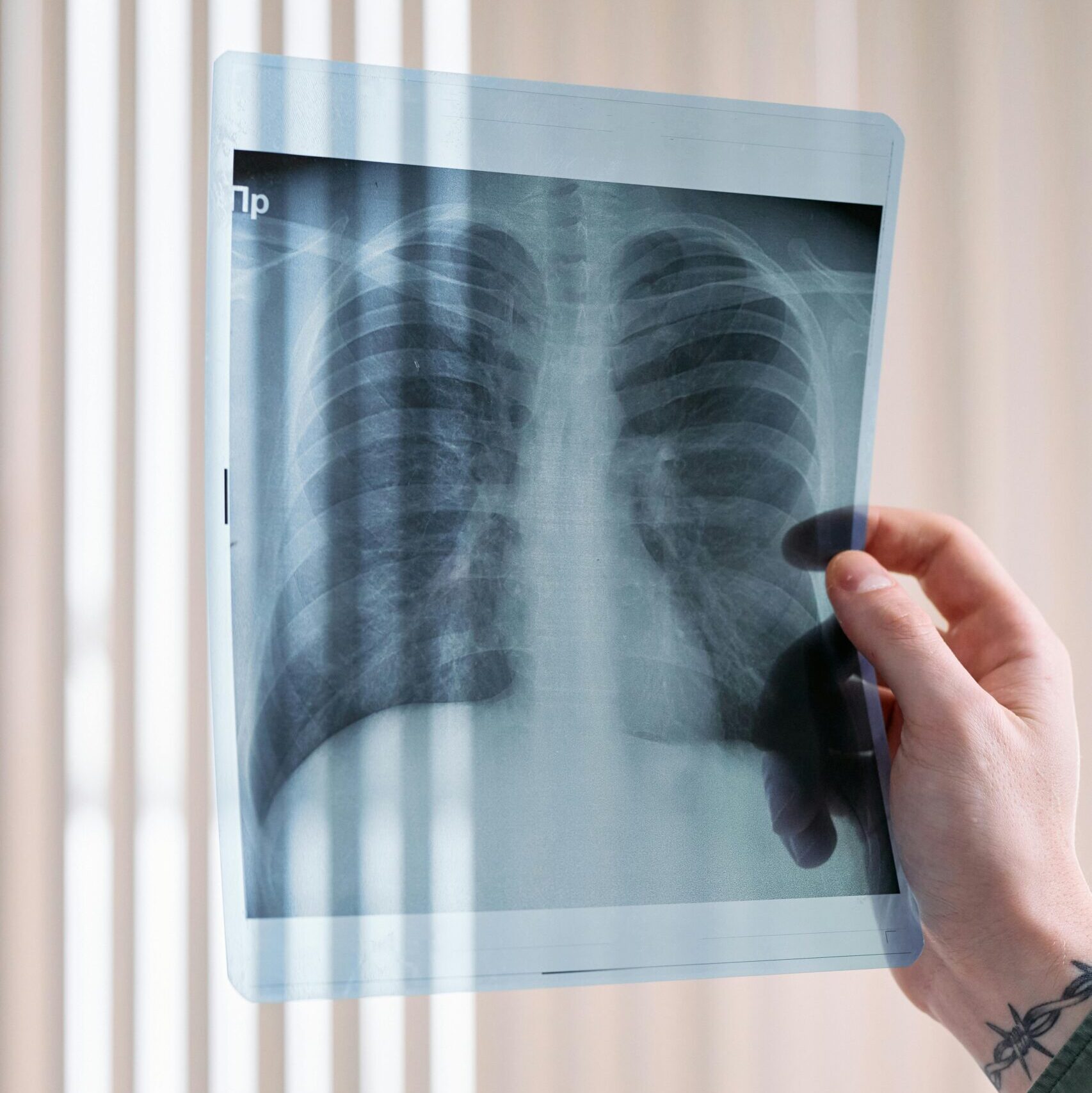
Common Signs & Symptoms
- Persistent cough that does not improve
- Shortness of breath
- Chest pain or discomfort
- Coughing up blood
- Unexplained weight loss or fatigue
How Lung Cancer is Diagnosed
Diagnosis involves a combination of imaging and laboratory tests:
- Chest X-ray or CT scan
- PET-CT for staging
- Biopsy to confirm cancer type
- Molecular testing (EGFR, ALK, etc.)
Treatment Approach
Treatment for lung cancer is individualized based on the type (small cell or non-small cell), stage of the disease, and molecular characteristics of the tumor. Advances in targeted therapy and immunotherapy have significantly improved treatment outcomes in many patients. Treatment is often planned in coordination with pulmonology, surgical, and radiation teams as part of a multidisciplinary approach.
Chemotherapy
Chemotherapy is used to control cancer growth and may be given alone or in combination with other treatments. It is often recommended in advanced stages or alongside other therapies to improve effectiveness.
Targeted Therapy
Targeted therapy plays a key role in lung cancer treatment when specific mutations such as EGFR, ALK, or ROS1 are identified. These treatments act directly on cancer-driving pathways and are often more precise and better tolerated.
Immunotherapy
Immunotherapy helps the body’s immune system recognize and attack cancer cells. It is widely used in lung cancer, either alone or in combination with chemotherapy, especially in advanced stages.
Understanding Cancer Stages
Lung cancer is staged from 1 to 4 based on tumor size, lymph node involvement, and whether the cancer has spread to other parts of the body. Staging is essential for determining the most effective treatment approach.
- Stage 1: Cancer is limited to the lungs and has not spread to lymph nodes. This is an early stage and may be treated with surgery or other localized treatments.
- Stage 2–3: Cancer may have spread to nearby lymph nodes or surrounding structures in the chest. These stages often require a combination of treatments such as chemotherapy, radiation, or targeted therapy.
- Stage 4: Cancer has spread beyond the lungs to distant organs. Treatment at this stage focuses on systemic therapies such as chemotherapy, targeted therapy, or immunotherapy.
Staging in lung cancer plays a crucial role in deciding whether surgery, systemic therapy, or a combination of treatments is required.
Personalized Treatment Planning
Modern lung cancer treatment is strongly guided by molecular testing. Identifying specific genetic mutations allows for targeted therapies that are more effective and often better tolerated. This approach ensures that treatment is tailored to the individual and not based on a one-size-fits-all model.
What to Expect During Treatment
- Clear explanation of diagnosis and treatment options
- Step-by-step treatment planning
- Monitoring of treatment response
- Management of side effects
- Ongoing support and follow-up care
When Should You See an Oncologist?
- Persistent cough or breathing issues
- Suspicious findings on imaging
- Confirmed diagnosis of lung cancer
- For a second opinion or treatment planning

Our Values
Congue ultric in pellentesque sodales egestas faucibus accumsan.
01.
Innovation
Id leo massa lacinia morbi pulvinar venenatis, etiam amet purus in interdum proin nisl morbi eleifend.
02.
Teamwork
Senectus nisl ultricies mi urna, curabitur amet adipiscing eget convallis ultricies lacus eget sed adipiscing eu.
03.
Sustainable
Sed morbi ut ullamcorper sodales et congue laoreet massa sit sit hendrerit morbi gravida malesuada sem.
04.
Integrity
Pharetra adipiscing rutrum et imperdiet sapien, semper blandit vulputate morbi bibendum leo et leo in praesent.
05.
Excellence
Adipiscing quis quis rhoncus etiam lobortis feugiat massa augue aliquam, dictum nulla suspendisse congue tincidunt lectus.
06.
Commitment
Morbi habitasse est vitae mauris sit sit luctus vestibulum lorem tincidunt eu leo nulla pellentesque enim.