
Chemotherapy Treatment
A carefully planned and monitored treatment to control and eliminate cancer cells effectively.
What is Chemotherapy?
Chemotherapy is a commonly used cancer treatment that involves the use of medicines to destroy cancer cells or slow their growth.
It is an important part of modern oncology and may be used alone or in combination with surgery, radiation therapy, targeted therapy, or immunotherapy, depending on the type and stage of cancer.
How Does Chemotherapy Work?
Cancer cells grow and divide more rapidly than normal cells. Chemotherapy works by targeting these rapidly dividing cells, helping to reduce tumor size, control disease spread, and improve outcomes.
Different drugs act in different ways, and combinations of medicines are often used to achieve better results. Treatment is given in cycles, allowing the body time to recover between sessions.
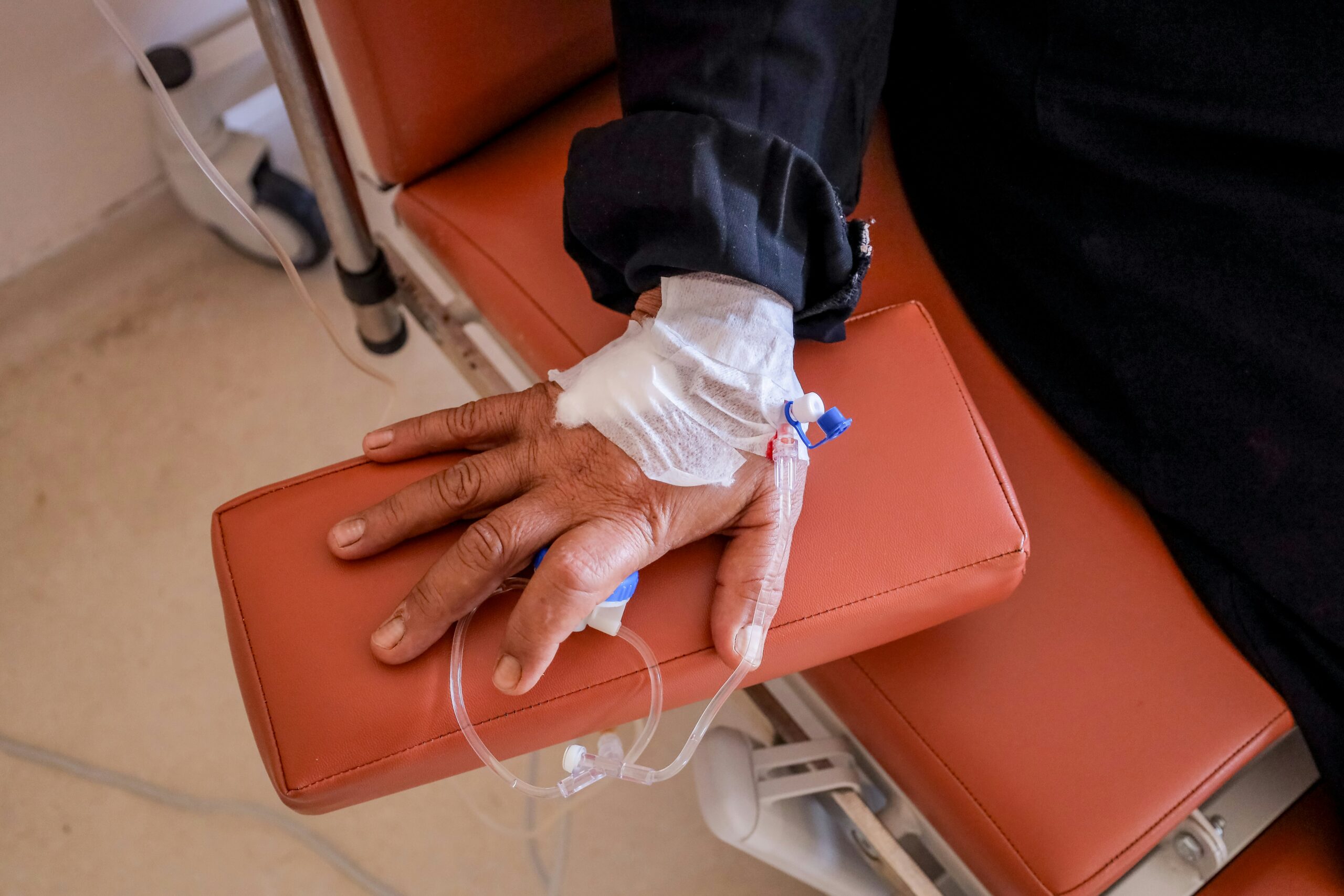
What to Expect During Treatment
During chemotherapy, care is structured and closely monitored to ensure both effectiveness and safety.
- Each session may last a few hours depending on the treatment plan
- Patients are monitored during and after treatment
- Blood tests are done regularly to assess safety and response
- Treatment schedules are planned in advance
Most patients can go home the same day and continue daily activities with some adjustments.
Side Effects & Their Management
Chemotherapy may affect normal cells along with cancer cells, which can lead to side effects. These vary from patient to patient and depend on the type of drugs used. Common side effects may include:
- Fatigue
- Nausea or vomiting
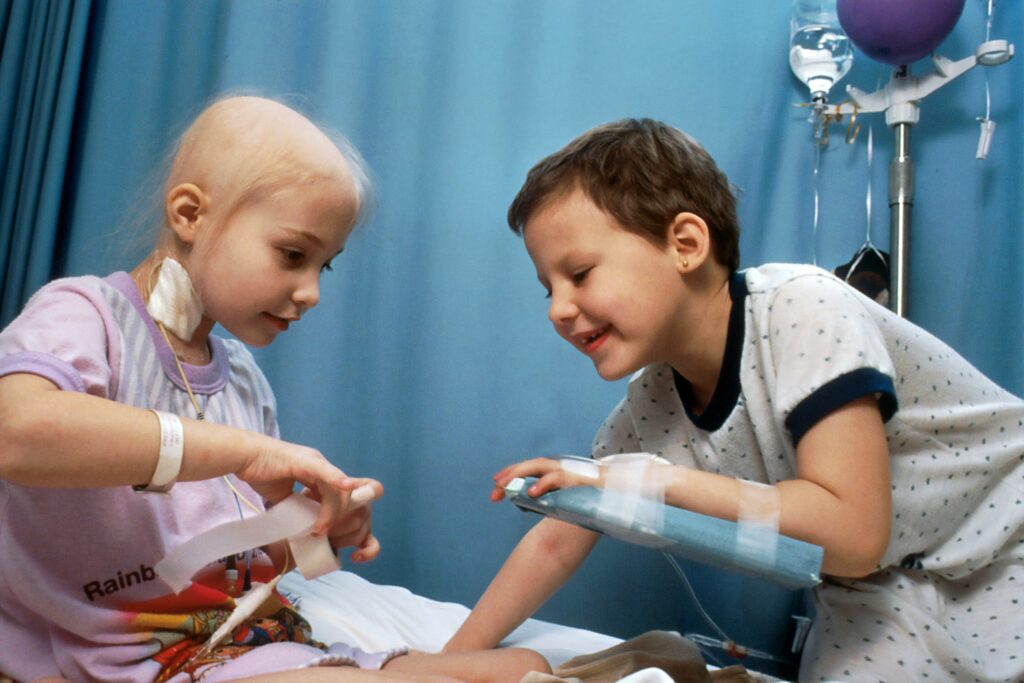
- Hair loss (in some treatments)
- Reduced immunity
- Loss of appetite
These side effects are temporary and manageable. Supportive medications, dietary guidance, and regular monitoring help reduce discomfort and maintain quality of life during treatment.
When is Chemotherapy Recommended?
Chemotherapy may be recommended in different situations, depending on the treatment goal:
- Before surgery (neoadjuvant): To shrink the tumor and make it easier to remove
- After surgery (adjuvant): To reduce the risk of cancer coming back
- As primary treatment: In advanced or metastatic cancers
- With radiation therapy: To enhance treatment effectiveness in certain cases
The exact approach is individualized based on the type of cancer and patient condition.
How is Chemotherapy Given?
Chemotherapy is usually administered in a day-care setting under medical supervision.
It may be given in different ways:
- Intravenous (IV) infusion: Through a vein, most commonly used
- Chemoport or PICC line: For long-term or repeated treatments
- Oral chemotherapy: In selected cases, as tablets or capsules
Treatment is given in planned cycles, with rest periods in between to allow recovery and maintain safety.
When Oral Chemotherapy May Be Considered
In some cases, chemotherapy may be given in the form of tablets or capsules, known as oral chemotherapy.
This allows patients to take treatment at home while maintaining regular follow-up with their doctor. It offers convenience but still requires careful monitoring to ensure effectiveness and safety.
Patients are guided on how to take the medication correctly, and regular check-ups are important to track response and manage any side effects.