
Palliative Care & Pain Management
Support focused on comfort, symptom relief, and improving quality of life at every stage of cancer care.
What is Palliative Care?
Palliative care is an approach to cancer care that focuses on improving comfort, managing symptoms, and supporting overall well-being.
It is not limited to advanced stages. Palliative care can be provided alongside active cancer treatment to help patients feel better, cope with symptoms, and maintain quality of life throughout their journey.
Why Palliative Care Matters
Cancer and its treatment can affect not just the body, but also daily life, emotional well-being, and overall comfort.
Palliative care helps address these challenges by focusing on what matters most to the patient—relief from symptoms, better day-to-day functioning, and a more comfortable treatment experience.
It ensures that care is not only about treating the disease, but also about supporting the person.
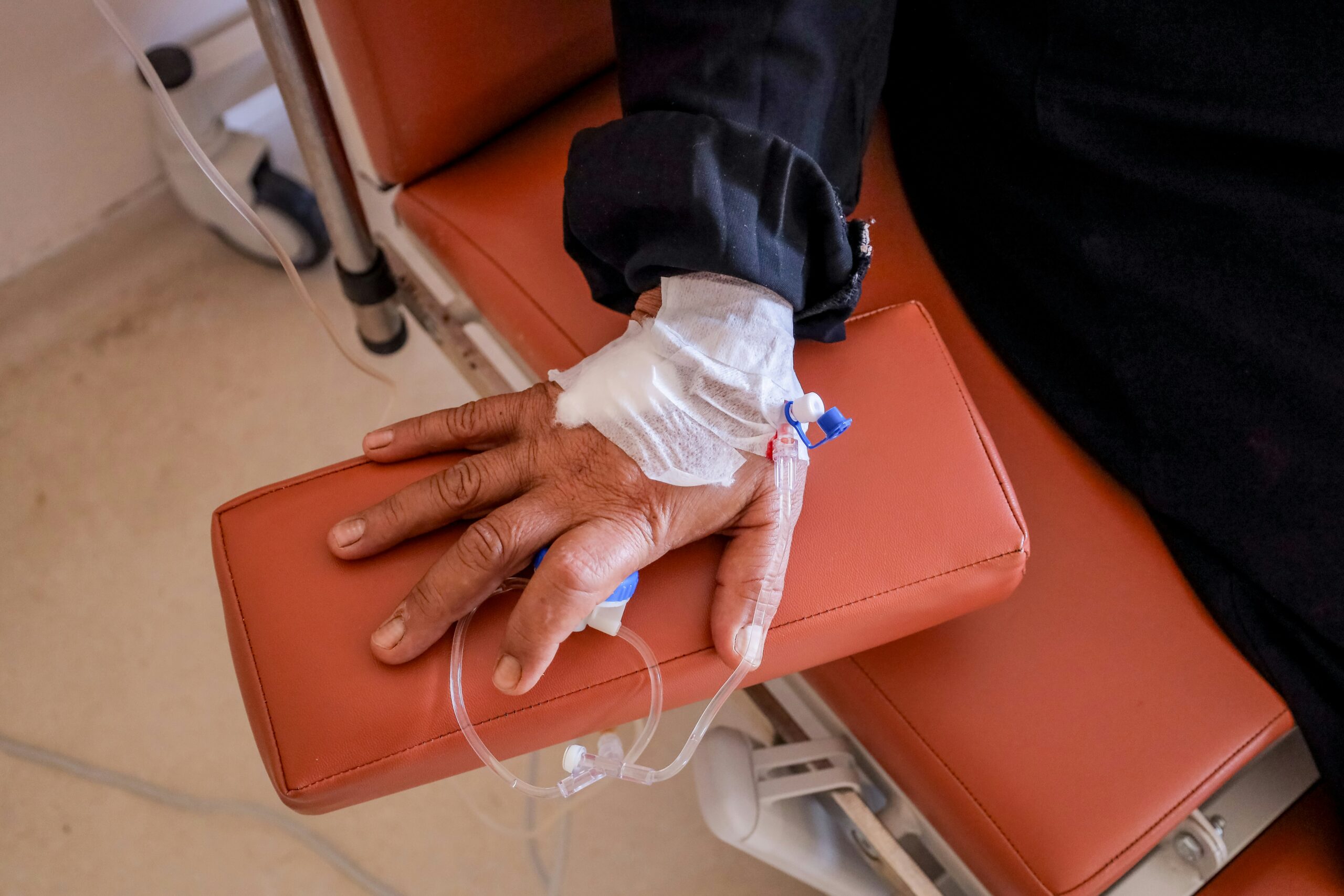
What Support Does It Include?
Palliative care focuses on managing symptoms that may arise from cancer or its treatment. It may include support for:
- Pain and physical discomfort
- Fatigue and weakness
- Nausea, appetite loss, and digestive issues
- Breathlessness or sleep disturbances
- Emotional stress and anxiety
Care is individualized based on each patient’s condition and needs.
What Patients and Families Can Expect
Care is provided with a patient-first approach, ensuring that both medical and supportive needs are addressed.
- Clear guidance on managing symptoms
- Regular assessment and adjustment of care
- Support for both patients and caregivers
- Coordination with ongoing cancer treatment
- Focus on comfort, dignity, and overall well-being

Pain Management in Cancer Care
Pain is one of the most common concerns in cancer patients, and effective management is an important part of care.
Treatment plans are designed based on the type and intensity of pain, and may include medications, dose adjustments, and supportive therapies.
The goal is to control pain effectively so that patients can remain as comfortable and active as possible.
When is Palliative Care Needed?
Palliative care can be introduced at any stage of cancer and is not limited to advanced disease. It may be helpful:
- During ongoing cancer treatment
- When symptoms affect daily comfort
- In advanced or metastatic stages
- When additional support is needed alongside treatment
Early integration of palliative care often leads to better symptom control and improved quality of life.